



Introduction
A few years ago, the Metaverse was the talk of the tech world. Promises of virtual worlds, digital avatars, and immersive experiences filled headlines. Major companies like Meta (Facebook), Microsoft, and Apple poured billions into the dream of a connected 3D digital universe.
But fast forward to 2025, and the question remains — was it all hype, or is the Metaverse truly shaping the future of the internet?
Let’s explore where things stand today: what’s real, what’s still developing, and how this digital frontier could redefine how we work, shop, and connect.
1. The Metaverse Vision: A New Digital Reality

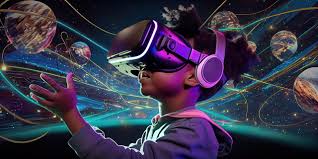
At its core, the Metaverse represents an evolution of the internet—from flat screens to fully immersive virtual experiences. Imagine walking through a virtual store, attending meetings with 3D avatars, or owning land in a digital city.
It’s an internet where physical and virtual realities merge—powered by virtual reality (VR), augmented reality (AR), and blockchain technologies.
Yet, while this sounds futuristic, 2025 has proven that the vision is far more complex than early enthusiasts imagined.
2. Where We Are Now: The Real State of the Metaverse

By 2025, we’ve seen incredible progress—but not full adoption. VR headsets are more affordable, AR is built into smartphones, and companies are creating virtual workplaces and marketplaces.
Platforms like Meta Horizon Worlds, Roblox, Decentraland, and Sandbox continue to evolve. However, mainstream users remain cautious, with many still viewing the Metaverse as experimental.
Still, industries like gaming, fashion, and education have embraced it wholeheartedly—showing clear signs that the Metaverse is slowly maturing rather than fading away.
3. The Business Angle: New Frontiers of Commerce
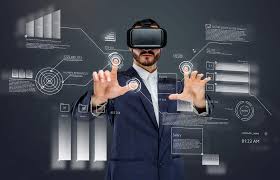
For businesses, the Metaverse in 2025 presents exciting opportunities. Brands are creating digital showrooms, virtual try-ons, and immersive customer experiences that blend entertainment with e-commerce.
Companies like Nike and Gucci have already launched virtual stores where users can purchase digital goods or exclusive NFTs. Small businesses are also beginning to see potential—using the Metaverse for marketing, networking, and virtual product launches.
Pro Tip: If your business targets tech-savvy consumers, consider experimenting with digital experiences like 3D stores or virtual events.
4. Work and Collaboration in the Metaverse

Remote work has paved the way for the next evolution—virtual collaboration. Instead of flat Zoom calls, teams can now meet as avatars in 3D meeting spaces, review designs together, or present ideas interactively.
Tools like Microsoft Mesh and Meta Horizon Workrooms are leading this change, giving companies a new way to blend productivity with immersion.
The result? A more engaging, realistic, and human-like virtual work experience.
5. Challenges Holding the Metaverse Back

Despite its potential, the Metaverse still faces several hurdles:
- Accessibility: VR headsets and AR devices remain expensive for many users.
- Interoperability: Different platforms still don’t connect seamlessly.
- Privacy Concerns: As with any digital space, user data protection remains a top issue.
- Adoption Barriers: Many people simply prefer traditional online interactions—for now.
These obstacles don’t spell failure, but they show the Metaverse needs time to evolve into something practical and universal.
6. The Metaverse Beyond the Hype

The Metaverse is no longer just a buzzword—it’s becoming a digital ecosystem in progress. From virtual learning environments to immersive shopping, the lines between physical and digital life are blurring faster than ever.
Experts believe the true Metaverse era will unfold gradually over the next 5–10 years, much like how social media and e-commerce took time to gain global traction.
In essence, the Metaverse isn’t dying—it’s maturing.
Final Thoughts
So, is the Metaverse in 2025 hype or the future of the internet?
The truth lies somewhere in between. It may not have reached its full promise yet, but it’s laying the groundwork for a more interactive and immersive digital future.
The internet of tomorrow won’t just be something we browse—it will be a space we live, work, and create in.
Now it’s your turn 👇
💬 What do you think?
Is the Metaverse a passing trend or the next great digital revolution?
Share your opinion in the comments section below—we’d love to hear your perspective.
Stay Connected with Ukamart
At Ukamart, we explore technology that shapes the future—from artificial intelligence to virtual realities. Visit ukamart.com or download the Ukamart App for more tech stories, gadgets, and insights.
Follow us for daily updates and digital innovation tips:



Leave a Comment
Your email address will not be published. Required fields are marked *