



For years, Two-Factor Authentication (2FA) has been hailed as a powerful way to protect online accounts. By requiring something you know (like a password) and something you have (like a code sent to your phone), 2FA added an extra layer of protection against hackers.
But in today’s world of advanced cyber threats, 2FA alone is no longer enough. Cybercriminals are constantly finding creative ways to bypass security systems, and businesses and individuals need to be aware of the limitations of 2FA and what to do next.
1. The Rise of Sophisticated Phishing Attacks

Hackers have grown smarter. Instead of just stealing your password, phishing scams now target 2FA codes too. Fake websites can trick users into entering both their login details and their one-time passcodes—giving cybercriminals full access to accounts.
2. SIM Swapping and Phone Number Hijacking

One of the biggest weaknesses of SMS-based 2FA is SIM swapping. Attackers convince mobile carriers to transfer your phone number to their SIM card, allowing them to receive your text messages and 2FA codes. With this, they can easily break into your accounts.
3. Man-in-the-Middle (MITM) Attacks
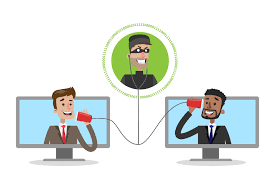
In a MITM attack, hackers intercept communication between you and the website or app you’re using. This means they can steal not only your password but also your 2FA code in real-time, making 2FA nearly useless in such cases.
4. The Human Factor
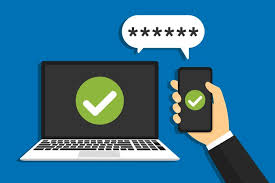
No matter how secure a system is, humans remain the weakest link. Many users reuse passwords, approve suspicious login requests out of habit, or fail to recognize fake login prompts. Attackers exploit this human error to bypass even strong authentication systems.
5. The Need for Stronger Security Measures

While 2FA is still better than using a password alone, businesses and individuals must move toward multi-layered security strategies such as:
- Multi-Factor Authentication (MFA): Adding more than two factors, like biometrics (fingerprint, facial recognition) or hardware security keys.
- Passwordless Authentication: Using technologies like FIDO2 and passkeys that eliminate passwords altogether.
- Zero-Trust Security: Never assuming users are trustworthy by default; every access request must be verified.
Final Thoughts
Two-Factor Authentication was once a powerful shield, but today’s cybercriminals have evolved beyond it. To truly protect sensitive data, businesses and individuals need to adopt stronger, smarter, and layered security practices.
At Ukamart, we understand the importance of online safety. That’s why we encourage our customers to stay updated with the latest cybersecurity practices while shopping securely with us.
Experience secure shopping today at ukamart.com or download the Ukamart App.
And don’t miss out on more cybersecurity insights—follow Ukamart on:



Hey there You have done a fantastic job I will certainly digg it and personally recommend to my friends Im confident theyll be benefited from this site