




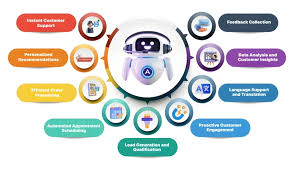
In today’s highly competitive digital age, customer expectations are constantly rising. They no longer want to wait hours—or even minutes—for support. Instead, they expect instant responses, round-the-clock availability, and personalized solutions that make them feel valued. Businesses that fail to deliver this risk losing loyal customers to competitors who prioritize seamless service.
This is where chatbots come in. These AI-powered assistants are revolutionizing the way companies handle customer interactions by making support faster, smarter, and more efficient. In this post, we’ll uncover 7 powerful ways chatbots can transform your customer service—plus best practices to get started.
1. What Are Chatbots?

Chatbots are intelligent virtual assistants powered by artificial intelligence and natural language processing. They simulate human conversation through text or voice, interacting with customers on websites, mobile apps, and social media platforms.
Beyond answering simple queries, today’s chatbots can perform complex tasks such as providing order updates, recommending products, handling bookings, and even troubleshooting technical problems. In short, they are the ultimate digital support agents—always ready to assist.
2. The Key Benefits of Chatbots in Customer Service
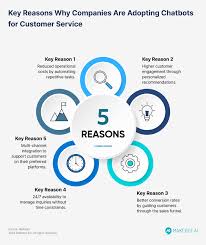
1. 24/7 Availability
Unlike human staff, chatbots never take breaks, holidays, or sleep. They’re available around the clock, ensuring that customers from any time zone get instant help whenever they need it. This round-the-clock support builds trust and shows customers that your brand values their time.
2. Instant Responses
No one enjoys waiting in a queue for hours. Chatbots deliver real-time answers, reducing response time drastically. This immediacy improves customer satisfaction and prevents frustration that could lead to lost sales.
3. Cost-Effective Support
Maintaining a large customer service team can be expensive. Chatbots cut costs by handling repetitive, time-consuming queries, while human agents focus on high-level, complex problems. This combination creates a cost-saving powerhouse for businesses.
4. Personalized Experience
Modern chatbots can leverage customer data, purchase history, and behavior patterns to deliver tailored solutions and product recommendations. This personal touch makes customers feel valued, encouraging repeat business and loyalty.
5. Scalability During Peak Times
During holiday sales or product launches, chat volumes can skyrocket. Chatbots easily handle thousands of conversations at once, ensuring no customer is ignored. This scalability is a game-changer for brands experiencing high demand.
3. 5 Practical Ways to Use Chatbots

1. Answer Frequently Asked Questions (FAQs)
Most customer queries are repetitive—like shipping details, return policies, or store hours. A chatbot can instantly respond to these FAQs, saving your team countless hours while providing customers with quick, reliable answers.
2. Provide Smart Product Recommendations
By analyzing browsing history and customer preferences, chatbots can act as virtual shopping assistants, suggesting products that perfectly match a buyer’s needs. This not only improves service but also boosts sales.
3. Assist with Order Tracking
Customers love knowing where their orders are. Instead of calling support, they can simply ask the chatbot for delivery updates and tracking information—making the process smooth and stress-free.
4. Streamline Bookings and Reservations
For industries like travel, hotels, or healthcare, chatbots can manage bookings, cancellations, and schedule changes. This automation reduces errors and enhances the overall customer journey.
5. Collect Valuable Feedback
After an interaction, chatbots can ask customers for quick feedback. This information is crucial for identifying areas of improvement and ensuring your customer service stays ahead of expectations.
4. Best Practices for Using Chatbots Effectively

- Keep Conversations Natural: Customers dislike robotic tones. Use friendly, conversational language.
- Enable Human Escalation: Always allow users to connect with a real agent when necessary.
- Update Regularly: Continuously train your chatbot with new information and customer queries to keep it relevant.
- Be Omnichannel: Deploy chatbots across your website, mobile app, and social media channels for maximum reach.
- Measure Performance: Track chatbot interactions and use analytics to improve service quality.
5. Final Thoughts
Chatbots are no longer just a tech trend—they are a powerful necessity for businesses that want to thrive in the modern marketplace. By providing 24/7 support, instant answers, and personalized experiences, chatbots can significantly elevate customer satisfaction and loyalty.
Are you ready to revolutionize your customer service?
👉 Visit ukamart.com, download the Ukamart App, and discover how technology can transform your shopping journey today.
Also, connect with Ukamart on social media for more insights and updates:



Konular mükemmel olduğu gibi site teması da içeriğe müthiş uyum sağlamış. Tebrikler
I very delighted to find this internet site on bing, just what I was searching for as well saved to fav
Bu konu hakkında bilgi vermeniz çok güzel. Genellikle türkçe içerikler az oluyor fakat böyle güzel içerikler görmek ve okumak çok zevkli.
gerçekten güzel bir yazı olmuş. Yanlış bildiğimiz bir çok konu varmış. Teşekkürler.
Excellent breakdown, I completely agree with the challenges you described. For our projects we started using an AI-driven system called AI link building by OptiLinkAI, and it has simplified the entire process. It’s refreshing to see technology finally making link acquisition smarter, not just faster.
humans can do more than chatbot
chatboot can do more than alot