

Introduction
Choosing a smartphone today often boils down to one big question: iOS vs Android — which is better? Both Apple’s iOS and Google’s Android dominate the smartphone market, offering unique strengths and experiences. For many users, deciding between the two is not just about the phone itself, but also about the ecosystem, security, features, and personal lifestyle.
This guide will help you make the best choice for your needs by breaking down all the major differences.
1. User Experience and Interface
- iOS (Apple iPhones): Known for simplicity, smooth animations, and consistency. Even first-time users find iPhones easy to navigate.
- Android (Samsung, Tecno, Infinix, Xiaomi, etc.): Highly customizable with widgets, themes, and third-party launchers. However, the interface can vary depending on the phone brand.
👉 If you want a clean, minimal, and easy-to-use system, iOS wins. If you love personalization, Android takes the crown.
2. Performance and Speed
- iOS: Apple’s A-series chips (like the A17 Bionic) are extremely powerful, making iPhones some of the fastest phones on the market. Apps are well-optimized for performance.
- Android: Performance depends on the brand and model. Flagship Androids like Samsung Galaxy S24 Ultra or Google Pixel deliver top-notch performance, but budget Androids may lag compared to iPhones.
👉 For consistent top performance across all models, iOS is a safe choice.
3. App Quality and Availability
- iOS: Apps are usually launched first on iOS, and many developers prioritize iPhone versions because of higher user spending. App quality is generally smoother and more stable.
- Android: Has more free apps and wider variety due to Google Play Store’s open nature. However, some apps may not be as polished as their iOS versions.
👉 If you’re an app enthusiast or gamer, iOS apps usually deliver the best experience.
4. iOS vs Android : Security and Privacy
- iOS: Apple prioritizes user privacy with features like App Tracking Transparency, Face ID, and consistent updates. Malware risks are very low.
- Android: Security varies by brand and model. Google pushes regular updates, but not all devices receive them at the same time. Malware risks are higher if apps are downloaded outside Google Play.
👉 If privacy is your top concern, iOS is stronger.
5. iOS vs Android : Customization and Flexibility
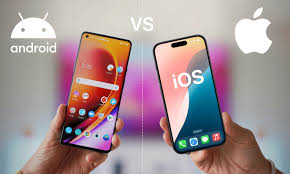
- iOS: Limited customization but very stable. You can change wallpapers, widgets, and app layouts, but not much beyond that.
- Android: Highly flexible — from installing custom ROMs, changing default apps, to deep system modifications.
👉 If you love full control of your phone, Android is unbeatable.
6. Hardware and Variety
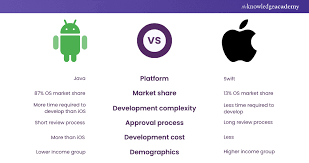
- iOS: Limited to iPhones only. Apple releases only a few models each year, focusing on premium design and build.
- Android: Wide range of devices — from budget phones to premium flagships. Brands like Samsung, Xiaomi, Tecno, and OnePlus offer different styles, sizes, and prices.
👉 For affordable options, Android is the winner. For luxury consistency, iOS shines.
7. iOS vs Android: Battery Life and Charging
- iOS: Apple optimizes battery life well but doesn’t always include the biggest batteries. Fast charging and MagSafe wireless charging are supported.
- Android: Many models come with huge batteries, ultra-fast charging (some up to 120W), and longer-lasting performance.
👉 For power users who hate charging often, Android is better.
8. iOS vs Android : Ecosystem and Connectivity
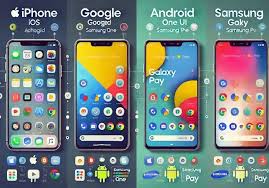
- iOS: Works seamlessly with other Apple products like MacBook, iPad, Apple Watch, and AirPods. Features like AirDrop, iMessage, and Handoff create a connected experience.
- Android: Google services (Drive, Gmail, Google Photos) work across all platforms, and Samsung has its own strong ecosystem with Galaxy Buds, Watches, and SmartThings.
If you already own Apple devices, iOS is perfect. If you prefer variety and flexibility, Android integrates better.
9. Price and Value for Money
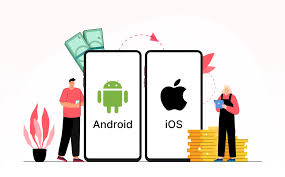
- iOS: Premium pricing. iPhones are expensive but hold strong resale value.
- Android: Wide price range. From ₦70,000 entry-level phones to ₦1,000,000 premium flagships, there’s something for everyone.
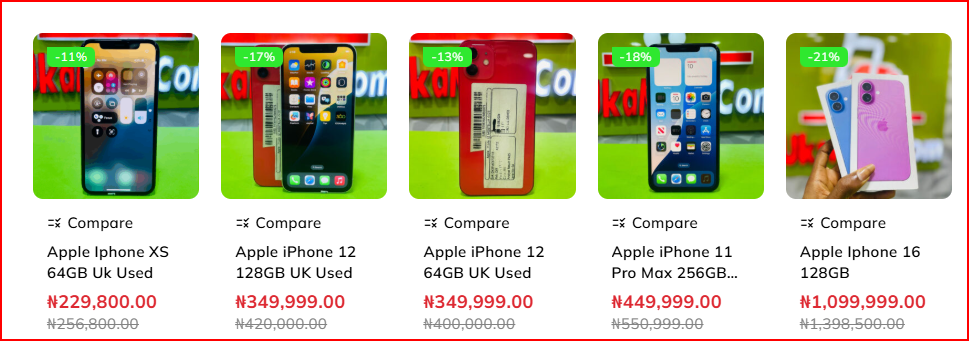

If you want budget-friendly options, Android is unbeatable. If you want status and resale value, iOS is king.
Conclusion on iOS vs Android
The battle of iOS vs Android doesn’t have a single winner — it depends on your needs. If you want simplicity, security, and premium design, iOS is for you. If you love customization, variety, and affordability, Android is your match.
Still unsure? Visit Ukamart.com or download the Ukamart App to explore both iOS and Android devices. We have expert reviews, recommendations, and the latest gadgets to help you choose wisely.
Don’t forget to follow Ukamart on Facebook | Instagram | YouTube | Pinterest | TikTok for more tech insights.
What’s your pick — iOS or Android? Drop your answer in the comments below!



Andriod all the way