



Introduction
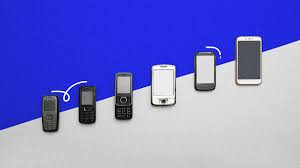
The evolution of smartphones from 2010 to 2025 has been nothing short of extraordinary. From physical buttons to full-screen devices, from basic cameras to AI-powered photography, this 15-year journey has redefined communication, entertainment, and productivity.
In this blog post, we’ll walk you through the most incredible breakthroughs and shifts in smartphone technology, showing how far we’ve come—and where we’re headed next.
2010–2012: The Rise of Touchscreen Dominance
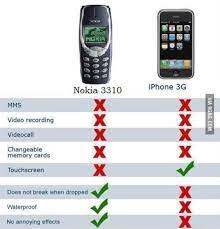
By 2010, the smartphone market was heating up. Apple’s iPhone 4 introduced Retina Display, while Android phones like the Samsung Galaxy S were catching up fast.
Key trends:
- Physical keyboards began disappearing.
- App stores (Apple App Store and Google Play) exploded.
- Cameras improved to 5MP and even 8MP.
- Devices started shifting from plastic builds to glass and metal.
This era marked the foundation of modern smartphone design.
2013–2015: Bigger Screens, Better Cameras
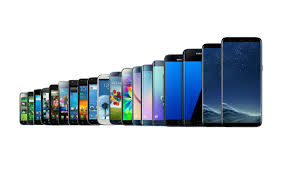
Between 2013 and 2015, smartphones got bigger, faster, and smarter.
- Samsung Galaxy Note series made big screens popular.
- Fingerprint sensors became standard (e.g., iPhone 5s).
- Cameras advanced to 12MP with HDR.
- Front cameras emerged for the selfie generation.
- 4G LTE rolled out globally, changing mobile browsing and video streaming forever.
✅ Fun fact: This was the golden era for app innovation—Instagram, Snapchat, and WhatsApp boomed.
2016–2018: Bezel-less Phones & AI Enters
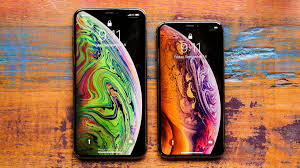
The evolution of smartphones took a sharp turn toward elegance and intelligence in this phase.
- Bezel-less displays became trendy (thanks to Xiaomi Mi Mix and iPhone X).
- Facial recognition and Face ID replaced fingerprint sensors.
- Google Assistant and Siri got smarter with AI integration.
- Dual-camera setups became common.
- Fast charging and wireless charging gained traction.
🚀 This era focused on smarter interaction, AI optimization, and cleaner designs.
2019–2021: Foldables, 5G & Photography Revolution
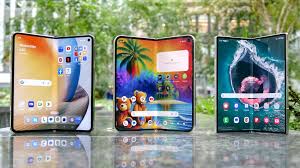
Smartphones entered the experimental phase. Innovation wasn’t just about power—it became about experience.
- 5G changed how fast we stream, download, and game.
- Foldable phones (like Samsung Galaxy Z Fold) arrived.
- Night mode and AI photography stunned users.
- 108MP and even periscope zoom lenses became available.
- Gaming phones like the ASUS ROG series became popular among mobile gamers.
🎮 Phones weren’t just communication tools—they became entertainment hubs.
2022–2025: AI, Ecosystems, and Sustainability

Now, in 2025, smartphones are more than devices—they’re part of a smart ecosystem.
Key innovations:
- AI-powered processors predict user behavior.
- Eco-friendly materials and modular parts promote sustainability.
- Satellite connectivity enables usage in remote areas.
- Multi-device syncing with smartwatches, earbuds, laptops, and cars.
- Foldables and rollables are more durable and affordable.
- Phones are now health assistants, wallets, and remote controls for smart homes.
🌍 Focus has shifted to sustainability, ecosystem building, and immersive user experience.
What’s Next for the Smartphone World?
Looking beyond 2025, experts predict:
- Neural interfaces for controlling phones with thoughts.
- Battery breakthroughs with week-long usage.
- Full AR integration with smart glasses replacing phones.
The evolution of smartphones isn’t just about new features—it’s about transforming how we live, work, and interact with the world.
Final Thoughts
The evolution of smartphones from 2010 to 2025 showcases humanity’s drive to innovate. In just 15 years, we’ve moved from buttoned phones to AI-powered, foldable marvels that fit into our lives like never before.
As we stand in 2025, one thing is certain: the smartphone isn’t done evolving. In fact, it’s just getting smarter.



Leave a Comment
Your email address will not be published. Required fields are marked *